





.
jueves, septiembre 3, 2026 🍇 🍷 🎪
spot_img
spot_img

Balancing School, Activities, and Online Islamic Classes for Kids

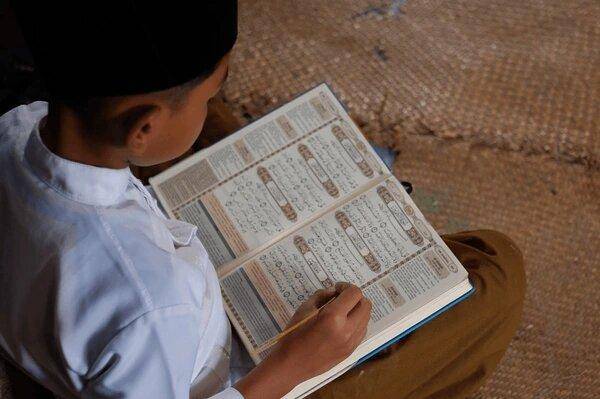
Children today have busy schedules. School, homework, sports, hobbies, family time, and screen use can fill most of their day. Adding online Islamic classes to this routine may seem difficult at first. However, with a practical schedule and the right approach, children can learn Islamic subjects without feeling overwhelmed.

Online Islamic classes for kids can give families more flexibility. Kids can learn Quran, Islamic studies, Arabic, or basic duas from home without spending extra time traveling. The key is to create a routine that supports learning while still giving children enough time to rest, play, and enjoy their childhood.

Knowing the Child’s Daily Routine

The first step is to understand how a child’s day already works. School hours, homework, meals, sleep, and extracurricular activities should be considered before choosing class timings.

A class placed immediately after a long school day may not always be effective. The child may be tired, hungry, or unable to focus. A short break before the Islamic lesson can make a noticeable difference.

Parents can look at the child’s weekly routine and identify the times when energy and concentration are usually better. This makes it easier to build a schedule that the child can follow consistently.

Choose a Realistic Class Schedule

Children do not need an overloaded timetable to make progress. A manageable online Islamic class schedule is often better than frequent lessons that leave little time for other responsibilities.

For example, a simple routine may look like this:

ActivityPossible Timing
SchoolMorning to afternoon
Lunch and restAfternoon
HomeworkAfternoon or early evening
Online Islamic classEarly evening
Play or family timeEvening
Bedtime routineNight

The exact schedule will depend on the child’s age, school timetable, and family commitments. The main goal is to create enough space between demanding activities.

Keep Online Classes Short and Focused

Young children can find it difficult to concentrate for long periods, especially after several hours at school. Longer classes are not automatically better.

A focused lesson can help children stay attentive and understand what they are learning. The teacher can use age-appropriate activities, questions, repetition, and short discussions to keep the session active.

Parents should also avoid adding too much extra work after class. If the lesson already includes practice, children may only need a few minutes of review at home.

Give Homework Its Proper Place

Schoolwork should not be ignored for the sake of Islamic learning, and Islamic education should not always be pushed aside because of schoolwork. Both are important parts of a child’s development.

Parents can help children organize tasks according to urgency. School assignments with close deadlines may need attention first, while Quran or Islamic class practice can be scheduled at a consistent time.

A simple weekly plan can prevent everything from being left until the last minute. It also teaches children an important life skill: managing responsibilities without unnecessary stress.

Make Room for Play and Rest

A balanced schedule must include free time. Children need opportunities to play, relax, spend time with family, and get enough sleep.

When every hour is planned around lessons and activities, children may start viewing learning as a burden. This can affect their interest in both school and Islamic education.

Free time is not wasted time. Rest can help children return to their lessons with better attention and energy.

How Can Parents Manage Busy Days?

Some days will not follow the normal routine. Exams, school events, family visits, sports competitions, and other commitments can change a child’s availability.

Parents should avoid treating every schedule change as a failure. A flexible plan can make the routine easier to maintain over the long term.

On particularly busy days, parents can:

  • Reduce unnecessary activities instead of removing essential rest.
  • Inform the online teacher when a timing change is needed.
  • Use a shorter review session when a full study session is not practical.

The goal is consistency over time, not perfection every single day.

Select the Right Online Islamic Class

The quality and format of the class also matter. Children have different learning needs, so parents should consider the teacher’s experience, teaching style, class length, and communication with students.

A good online class should be suitable for the child’s age and current level. Young children may need more interaction and simple explanations, while older students may be ready for deeper Islamic topics.

Parents should also consider the technology involved. A stable internet connection, working microphone, suitable device, and quiet learning space can prevent unnecessary interruptions.

Avoid Overloading Children With Activities

Many children participate in several extracurricular activities. Sports, music, clubs, tutoring, and other interests can all be valuable, but too many commitments can make the weekly schedule difficult to manage.

Parents can review activities from time to time and ask whether the child genuinely enjoys them. Not every available activity needs to become part of the timetable.

Leaving some open space in the week allows children to handle unexpected schoolwork or family commitments without disrupting everything else.

Build Islamic Learning Into Family Life

Online classes become more meaningful when Islamic learning is also reflected at home. Parents can encourage simple habits that do not feel like additional homework.

For example, families can discuss good manners, practice daily duas, talk about Islamic occasions, or listen to Quran recitation together. These small moments reinforce what children learn during their online classes.

This approach also shows children that Islamic education is not limited to a computer screen. It is connected to everyday behavior, family relationships, and personal character.

Final Words

Balancing school, activities, and online Islamic classes does not require a perfect schedule. It requires realistic planning, flexibility, and attention to the child’s needs. School responsibilities, Islamic learning, play, family time, and rest can all have a place when the routine is designed carefully.

epy.com
epy.com
Redactores de elperiodicodeyecla.com escriben con este nombre de autor para otra serie de artículos.

Children today have busy schedules. School, homework, sports, hobbies, family time, and screen use can fill most of their day. Adding online Islamic classes to this routine may seem difficult at first. However, with a practical schedule and the right approach, children can learn Islamic subjects without feeling overwhelmed.

Online Islamic classes for kids can give families more flexibility. Kids can learn Quran, Islamic studies, Arabic, or basic duas from home without spending extra time traveling. The key is to create a routine that supports learning while still giving children enough time to rest, play, and enjoy their childhood.

Knowing the Child’s Daily Routine

The first step is to understand how a child’s day already works. School hours, homework, meals, sleep, and extracurricular activities should be considered before choosing class timings.

A class placed immediately after a long school day may not always be effective. The child may be tired, hungry, or unable to focus. A short break before the Islamic lesson can make a noticeable difference.

Parents can look at the child’s weekly routine and identify the times when energy and concentration are usually better. This makes it easier to build a schedule that the child can follow consistently.

Choose a Realistic Class Schedule

Children do not need an overloaded timetable to make progress. A manageable online Islamic class schedule is often better than frequent lessons that leave little time for other responsibilities.

For example, a simple routine may look like this:

ActivityPossible Timing
SchoolMorning to afternoon
Lunch and restAfternoon
HomeworkAfternoon or early evening
Online Islamic classEarly evening
Play or family timeEvening
Bedtime routineNight

The exact schedule will depend on the child’s age, school timetable, and family commitments. The main goal is to create enough space between demanding activities.

Keep Online Classes Short and Focused

Young children can find it difficult to concentrate for long periods, especially after several hours at school. Longer classes are not automatically better.

A focused lesson can help children stay attentive and understand what they are learning. The teacher can use age-appropriate activities, questions, repetition, and short discussions to keep the session active.

Parents should also avoid adding too much extra work after class. If the lesson already includes practice, children may only need a few minutes of review at home.

Give Homework Its Proper Place

Schoolwork should not be ignored for the sake of Islamic learning, and Islamic education should not always be pushed aside because of schoolwork. Both are important parts of a child’s development.

Parents can help children organize tasks according to urgency. School assignments with close deadlines may need attention first, while Quran or Islamic class practice can be scheduled at a consistent time.

A simple weekly plan can prevent everything from being left until the last minute. It also teaches children an important life skill: managing responsibilities without unnecessary stress.

Make Room for Play and Rest

A balanced schedule must include free time. Children need opportunities to play, relax, spend time with family, and get enough sleep.

When every hour is planned around lessons and activities, children may start viewing learning as a burden. This can affect their interest in both school and Islamic education.

Free time is not wasted time. Rest can help children return to their lessons with better attention and energy.

How Can Parents Manage Busy Days?

Some days will not follow the normal routine. Exams, school events, family visits, sports competitions, and other commitments can change a child’s availability.

Parents should avoid treating every schedule change as a failure. A flexible plan can make the routine easier to maintain over the long term.

On particularly busy days, parents can:

  • Reduce unnecessary activities instead of removing essential rest.
  • Inform the online teacher when a timing change is needed.
  • Use a shorter review session when a full study session is not practical.

The goal is consistency over time, not perfection every single day.

Select the Right Online Islamic Class

The quality and format of the class also matter. Children have different learning needs, so parents should consider the teacher’s experience, teaching style, class length, and communication with students.

A good online class should be suitable for the child’s age and current level. Young children may need more interaction and simple explanations, while older students may be ready for deeper Islamic topics.

Parents should also consider the technology involved. A stable internet connection, working microphone, suitable device, and quiet learning space can prevent unnecessary interruptions.

Avoid Overloading Children With Activities

Many children participate in several extracurricular activities. Sports, music, clubs, tutoring, and other interests can all be valuable, but too many commitments can make the weekly schedule difficult to manage.

Parents can review activities from time to time and ask whether the child genuinely enjoys them. Not every available activity needs to become part of the timetable.

Leaving some open space in the week allows children to handle unexpected schoolwork or family commitments without disrupting everything else.

Build Islamic Learning Into Family Life

Online classes become more meaningful when Islamic learning is also reflected at home. Parents can encourage simple habits that do not feel like additional homework.

For example, families can discuss good manners, practice daily duas, talk about Islamic occasions, or listen to Quran recitation together. These small moments reinforce what children learn during their online classes.

This approach also shows children that Islamic education is not limited to a computer screen. It is connected to everyday behavior, family relationships, and personal character.

Final Words

Balancing school, activities, and online Islamic classes does not require a perfect schedule. It requires realistic planning, flexibility, and attention to the child’s needs. School responsibilities, Islamic learning, play, family time, and rest can all have a place when the routine is designed carefully.

epy.com
epy.com
Redactores de elperiodicodeyecla.com escriben con este nombre de autor para otra serie de artículos.
uscríbete EPY

¿Quieres añadir un nuevo comentario?

Hazte EPY Premium, es gratuito.

Hazte Premium

epy.com
epy.com
Redactores de elperiodicodeyecla.com escriben con este nombre de autor para otra serie de artículos.
- Publicidad -spot_imgspot_imgspot_imgspot_img
- Publicidad -spot_img

Servicios

Demanda empleo Oferta empleo
Compra Venta
Canal inmobiliario Farmacia
Teléfono interes Autobuses