





.
lunes, junio 22, 2026 🌻
spot_img
spot_img

The Best Clothing Fabrics for Hot Weather and Urban Exploration

Hot weather changes everything about the way we dress. A stylish outfit that works perfectly in spring can become uncomfortable during a summer heatwave, especially in the city. Urban exploration means walking for hours, taking public transport, moving between sunlight and shade, entering air-conditioned spaces, and carrying daily essentials. In this kind of environment, fabric matters as much as design.

The best clothing for hot weather is not only about wearing less. It is about choosing materials that breathe, dry quickly, move with the body, and keep you comfortable without sacrificing style. In 2026, fashion is becoming more practical, and urban wardrobes are shifting toward lighter, smarter fabrics that support real movement.

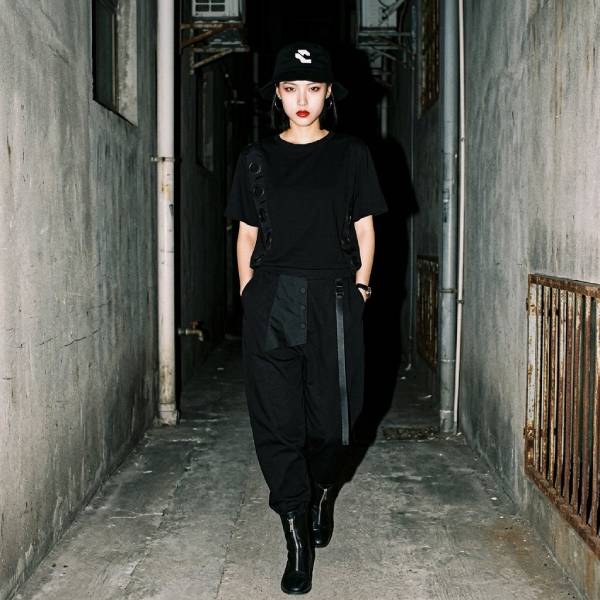
This is why streetwear and techwear are evolving. Modern city outfits need to look sharp, but they also need to perform. Brands like Cyber Techwear urban style represent this new direction, where clothes are designed for movement, heat, travel, and everyday function.

Why Fabric Choice Matters in Hot Weather

When temperatures rise, your body works harder to regulate heat. The wrong fabric can trap warmth, absorb too much sweat, stick to the skin, and make you feel heavy. The right fabric helps air circulate, releases moisture, and allows you to move without constant discomfort.

In an urban setting, this becomes even more important. Cities are often hotter than surrounding areas because of concrete, asphalt, traffic, and limited airflow. A full day outside can quickly become uncomfortable if your clothes are too thick or poorly ventilated.

Fabric choice affects how you feel, how you move, and how long your outfit stays fresh. A good summer outfit should not collapse after one hour of walking. It should stay wearable from morning to evening.

Cotton: The Classic Summer Essential

Cotton remains one of the most popular fabrics for hot weather because it is soft, breathable, and easy to wear. A good cotton T-shirt or oversized shirt can feel comfortable against the skin and work with almost any urban outfit.

For city exploration, cotton is best when the fit is relaxed. Tight cotton can absorb sweat and stay damp, which may become uncomfortable. A boxy tee, loose button-up, or lightweight cotton shirt allows more airflow and creates a cleaner summer silhouette.

Cotton also works well for casual streetwear because it carries prints, graphics, and washed textures beautifully. It gives outfits a natural feel while still allowing strong styling. The key is to choose lighter cotton instead of thick, heavyweight versions during extreme heat.

Linen: The Breathable Heatwave Fabric

Linen is one of the best fabrics for very hot weather. It is lightweight, breathable, and naturally relaxed. It allows air to move through the fabric, which makes it ideal for long walks, travel days, and sunny city afternoons.

The main advantage of linen is that it does not need to look perfect. Wrinkles are part of its character. This makes it ideal for urban exploration because it can look effortless even after hours outside.

Linen shirts, wide-leg trousers, shorts, and overshirts can create a stylish summer outfit without feeling too formal. For a more modern look, linen can be mixed with streetwear pieces: a linen shirt over a graphic tee, linen pants with futuristic sneakers, or linen shorts with a technical crossbody bag.

Nylon: Lightweight, Technical, and Practical

Nylon is one of the most important fabrics in techwear and functional streetwear. It is lightweight, durable, and often used in jackets, cargo pants, shorts, bags, and utility vests. For urban exploration, nylon works well because it can handle movement, wind, and sudden weather changes.

Not all nylon is ideal for heat, though. Thick, non-breathable nylon can trap warmth. The best summer nylon pieces are thin, lightweight, and designed with ventilation. Nylon shorts, parachute pants, lightweight shells, and packable jackets can be extremely useful in a city wardrobe.

Nylon is also practical because it often dries faster than natural fabrics. This makes it useful for travel, humid climates, and days when you are moving between different environments.

Polyester Blends: Good When Designed Well

Polyester has a mixed reputation. Cheap polyester can feel hot, sticky, and uncomfortable. But modern polyester blends can be excellent when designed for performance. Many athletic, travel, and technical garments use polyester because it is lightweight, quick-drying, and resistant to wrinkles.

For hot weather, the quality of the blend matters. Look for pieces that feel light, smooth, and breathable. Mesh panels, moisture-wicking finishes, and loose cuts can make polyester-based clothing much more comfortable.

In urban outfits, polyester blends are useful for technical tees, lightweight jackets, cargo pants, and travel-ready tops. They are especially good when you need clothing that dries quickly and keeps its shape after hours of wear.

Mesh: Ventilation With Attitude

Mesh is becoming more popular in summer streetwear because it combines function with visual impact. It allows airflow, adds texture, and gives outfits a sportier or more futuristic feel.

A mesh shirt, panel, vest, or layered piece can make an outfit more breathable without looking basic. For hot weather, mesh works best when used strategically. A full mesh top can be bold, while smaller mesh details can improve ventilation in a more subtle way.

Mesh is especially useful in Y2K, cyber, and techwear-inspired outfits. It gives a sense of movement and performance while keeping the body cooler than heavier fabrics.

Bamboo and Modal: Softness for Long Days

Bamboo-derived fabrics and modal are popular because they feel soft, smooth, and lightweight. They can be comfortable for hot weather because they drape well and feel gentle on the skin.

These fabrics are ideal for people who want comfort first. A modal tee, relaxed bamboo shirt, or soft blend top can be excellent for travel, sightseeing, or long summer days. They also tend to feel more elevated than basic cotton when styled properly.

The only downside is that very soft fabrics can sometimes lack structure. To keep the outfit stylish, pair them with stronger pieces like cargo pants, technical shorts, or structured accessories.

Avoid Heavy Denim and Thick Fabrics

Denim can look great, but heavy denim is rarely the best choice for hot weather. Thick jeans trap heat, restrict movement, and can become uncomfortable during long walks. If you want denim in summer, choose lightweight denim, wide-leg fits, or shorts.

The same applies to thick hoodies, heavy canvas, leather, and dense synthetic fabrics. These materials may work for style photos, but they are not practical for heat and urban movement.

Summer city dressing should feel mobile. If a fabric makes you feel trapped, it is probably not the right choice for hot weather.

Final Thoughts

The best fabrics for hot weather and urban exploration are breathable, lightweight, flexible, and easy to move in. Cotton, linen, lightweight nylon, smart polyester blends, mesh, bamboo, and modal can all work beautifully when chosen with the right fit and styling.

The goal is not to abandon style for comfort. The goal is to understand that comfort is part of style. A summer outfit should support your body, keep you cool, and still express your personality.

Urban exploration demands clothes that can handle heat, movement, sweat, and changing environments. When you choose the right fabrics, you do not just dress better. You move better, feel better, and experience the city with more freedom.

epy.com
epy.com
Redactores de elperiodicodeyecla.com escriben con este nombre de autor para otra serie de artículos.

Hot weather changes everything about the way we dress. A stylish outfit that works perfectly in spring can become uncomfortable during a summer heatwave, especially in the city. Urban exploration means walking for hours, taking public transport, moving between sunlight and shade, entering air-conditioned spaces, and carrying daily essentials. In this kind of environment, fabric matters as much as design.

The best clothing for hot weather is not only about wearing less. It is about choosing materials that breathe, dry quickly, move with the body, and keep you comfortable without sacrificing style. In 2026, fashion is becoming more practical, and urban wardrobes are shifting toward lighter, smarter fabrics that support real movement.

This is why streetwear and techwear are evolving. Modern city outfits need to look sharp, but they also need to perform. Brands like Cyber Techwear urban style represent this new direction, where clothes are designed for movement, heat, travel, and everyday function.

Why Fabric Choice Matters in Hot Weather

When temperatures rise, your body works harder to regulate heat. The wrong fabric can trap warmth, absorb too much sweat, stick to the skin, and make you feel heavy. The right fabric helps air circulate, releases moisture, and allows you to move without constant discomfort.

In an urban setting, this becomes even more important. Cities are often hotter than surrounding areas because of concrete, asphalt, traffic, and limited airflow. A full day outside can quickly become uncomfortable if your clothes are too thick or poorly ventilated.

Fabric choice affects how you feel, how you move, and how long your outfit stays fresh. A good summer outfit should not collapse after one hour of walking. It should stay wearable from morning to evening.

Cotton: The Classic Summer Essential

Cotton remains one of the most popular fabrics for hot weather because it is soft, breathable, and easy to wear. A good cotton T-shirt or oversized shirt can feel comfortable against the skin and work with almost any urban outfit.

For city exploration, cotton is best when the fit is relaxed. Tight cotton can absorb sweat and stay damp, which may become uncomfortable. A boxy tee, loose button-up, or lightweight cotton shirt allows more airflow and creates a cleaner summer silhouette.

Cotton also works well for casual streetwear because it carries prints, graphics, and washed textures beautifully. It gives outfits a natural feel while still allowing strong styling. The key is to choose lighter cotton instead of thick, heavyweight versions during extreme heat.

Linen: The Breathable Heatwave Fabric

Linen is one of the best fabrics for very hot weather. It is lightweight, breathable, and naturally relaxed. It allows air to move through the fabric, which makes it ideal for long walks, travel days, and sunny city afternoons.

The main advantage of linen is that it does not need to look perfect. Wrinkles are part of its character. This makes it ideal for urban exploration because it can look effortless even after hours outside.

Linen shirts, wide-leg trousers, shorts, and overshirts can create a stylish summer outfit without feeling too formal. For a more modern look, linen can be mixed with streetwear pieces: a linen shirt over a graphic tee, linen pants with futuristic sneakers, or linen shorts with a technical crossbody bag.

Nylon: Lightweight, Technical, and Practical

Nylon is one of the most important fabrics in techwear and functional streetwear. It is lightweight, durable, and often used in jackets, cargo pants, shorts, bags, and utility vests. For urban exploration, nylon works well because it can handle movement, wind, and sudden weather changes.

Not all nylon is ideal for heat, though. Thick, non-breathable nylon can trap warmth. The best summer nylon pieces are thin, lightweight, and designed with ventilation. Nylon shorts, parachute pants, lightweight shells, and packable jackets can be extremely useful in a city wardrobe.

Nylon is also practical because it often dries faster than natural fabrics. This makes it useful for travel, humid climates, and days when you are moving between different environments.

Polyester Blends: Good When Designed Well

Polyester has a mixed reputation. Cheap polyester can feel hot, sticky, and uncomfortable. But modern polyester blends can be excellent when designed for performance. Many athletic, travel, and technical garments use polyester because it is lightweight, quick-drying, and resistant to wrinkles.

For hot weather, the quality of the blend matters. Look for pieces that feel light, smooth, and breathable. Mesh panels, moisture-wicking finishes, and loose cuts can make polyester-based clothing much more comfortable.

In urban outfits, polyester blends are useful for technical tees, lightweight jackets, cargo pants, and travel-ready tops. They are especially good when you need clothing that dries quickly and keeps its shape after hours of wear.

Mesh: Ventilation With Attitude

Mesh is becoming more popular in summer streetwear because it combines function with visual impact. It allows airflow, adds texture, and gives outfits a sportier or more futuristic feel.

A mesh shirt, panel, vest, or layered piece can make an outfit more breathable without looking basic. For hot weather, mesh works best when used strategically. A full mesh top can be bold, while smaller mesh details can improve ventilation in a more subtle way.

Mesh is especially useful in Y2K, cyber, and techwear-inspired outfits. It gives a sense of movement and performance while keeping the body cooler than heavier fabrics.

Bamboo and Modal: Softness for Long Days

Bamboo-derived fabrics and modal are popular because they feel soft, smooth, and lightweight. They can be comfortable for hot weather because they drape well and feel gentle on the skin.

These fabrics are ideal for people who want comfort first. A modal tee, relaxed bamboo shirt, or soft blend top can be excellent for travel, sightseeing, or long summer days. They also tend to feel more elevated than basic cotton when styled properly.

The only downside is that very soft fabrics can sometimes lack structure. To keep the outfit stylish, pair them with stronger pieces like cargo pants, technical shorts, or structured accessories.

Avoid Heavy Denim and Thick Fabrics

Denim can look great, but heavy denim is rarely the best choice for hot weather. Thick jeans trap heat, restrict movement, and can become uncomfortable during long walks. If you want denim in summer, choose lightweight denim, wide-leg fits, or shorts.

The same applies to thick hoodies, heavy canvas, leather, and dense synthetic fabrics. These materials may work for style photos, but they are not practical for heat and urban movement.

Summer city dressing should feel mobile. If a fabric makes you feel trapped, it is probably not the right choice for hot weather.

Final Thoughts

The best fabrics for hot weather and urban exploration are breathable, lightweight, flexible, and easy to move in. Cotton, linen, lightweight nylon, smart polyester blends, mesh, bamboo, and modal can all work beautifully when chosen with the right fit and styling.

The goal is not to abandon style for comfort. The goal is to understand that comfort is part of style. A summer outfit should support your body, keep you cool, and still express your personality.

Urban exploration demands clothes that can handle heat, movement, sweat, and changing environments. When you choose the right fabrics, you do not just dress better. You move better, feel better, and experience the city with more freedom.

epy.com
epy.com
Redactores de elperiodicodeyecla.com escriben con este nombre de autor para otra serie de artículos.
uscríbete EPY

¿Quieres añadir un nuevo comentario?

Hazte EPY Premium, es gratuito.

Hazte Premium

1 COMENTARIO

epy.com
epy.com
Redactores de elperiodicodeyecla.com escriben con este nombre de autor para otra serie de artículos.
- Publicidad -spot_imgspot_imgspot_imgspot_img
- Publicidad -spot_img

Servicios

Demanda empleo Oferta empleo
Compra Venta
Canal inmobiliario Farmacia
Teléfono interes Autobuses