





.
sábado, junio 13, 2026 🌻
spot_img
spot_img

Color Game Live Perya: Understanding Its Journey from Fiesta to Digital Gaming

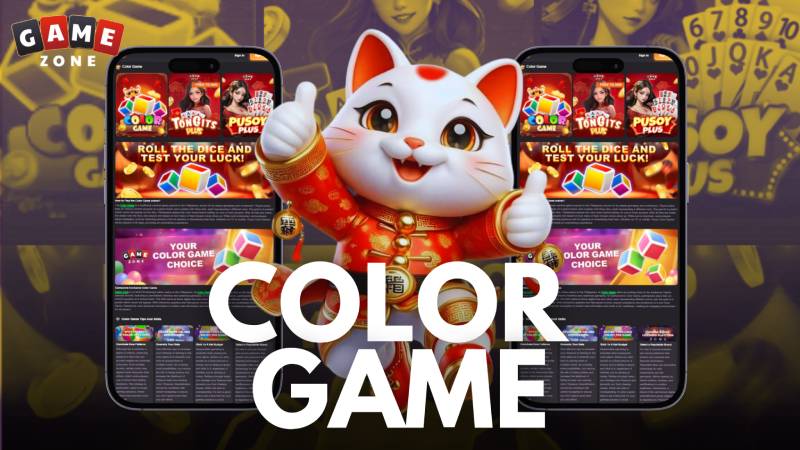
The evolution of traditional games into digital formats has become a defining trend in modern entertainment. As internet access and mobile technology continue to expand, many cultural pastimes have successfully transitioned from physical venues to online platforms. One notable example is Color Game live perya, the digital adaptation of a long-standing fixture of Philippine fiestas and traveling carnivals.

For generations, the Color Game has been a familiar attraction at local celebrations. Its colorful design, simple rules, and fast-paced gameplay have made it accessible to a wide range of participants. Today, these same characteristics have helped the game thrive in digital environments.

The rise of Color Game live perya demonstrates how traditional Filipino entertainment can adapt to technological advancements while preserving the core elements that originally made it popular. Understanding its history, popularity, and psychological appeal provides valuable insight into why the game continues to attract players both online and offline.

Key Takeaways

  • Color Game live perya is the digital version of the traditional Color Game commonly found at Philippine fiestas and carnivals.
  • The game’s origins are closely tied to the country’s perya culture and community celebrations.
  • Online platforms have expanded access to the game beyond physical carnival locations.
  • The digital version preserves the original mechanics while enhancing convenience and accessibility.
  • Psychological concepts such as pattern recognition and emotional decision-making influence player behavior.
  • Platforms like GameZone help introduce traditional Filipino-inspired games to broader online audiences.

How Traditional Filipino Games Adapted to the Digital Era

The movement of traditional games into digital spaces reflects a broader shift occurring throughout the entertainment industry.

Over the past decade, increasing smartphone ownership and improved internet connectivity have transformed how people access games and leisure activities. According to DataReportal’s 2025 Digital Report, digital engagement continues to grow worldwide, encouraging developers to recreate familiar experiences in online environments.

For traditional Filipino games, this shift created new opportunities.

Instead of limiting participation to specific locations or annual events, online platforms allow players to engage with familiar games whenever they choose. Color Game live perya emerged as part of this digital transformation, bringing a well-known carnival attraction to a wider audience.

Rather than dramatically altering the experience, developers focused on preserving the game’s recognizable features. Players still select colors, outcomes remain random, and rounds continue to progress quickly. The primary difference lies in the delivery method. What was once experienced at a physical booth can now be accessed through smartphones, tablets, and computers.

This approach allows the game to maintain its cultural identity while adapting to changing consumer habits.

The Historical Origins of the Color Game

To understand the popularity of Color Game live perya, it is important to examine the game’s origins.

The Color Game is deeply connected to the Philippine perya tradition. The term «perya» comes from the Spanish word feria, meaning fair or festival. Throughout the country, perya events became a common feature of local fiestas, bringing entertainment, rides, food vendors, and games to communities of all sizes.

Among these attractions, the Color Game developed a particularly strong following.

The traditional version typically uses colored squares or specially marked dice. Participants choose one or more colors before the game operator rolls the dice or spins a mechanism to determine the outcome. If the selected color appears, the participant receives a payout based on the established rules.

The game’s straightforward design contributed significantly to its success. Unlike activities that require extensive knowledge or skill development, the Color Game can be understood almost immediately. New participants can observe a few rounds and quickly learn how the game works.

This accessibility helped establish the Color Game as one of the most recognizable attractions at fiestas across the Philippines.

Why Color Game Live Perya Continues to Attract Players

Several factors help explain the enduring popularity of Color Game live perya.

One of the most significant is simplicity. The game does not require complex strategies or lengthy instructions. This low barrier to entry makes it approachable for a broad audience.

Another factor is the pace of gameplay. Results are typically revealed quickly, creating a continuous cycle of anticipation and outcome. This rapid feedback helps maintain engagement and keeps the experience dynamic.

The visual appeal of colors also contributes to player interest. Bright colors naturally attract attention and make gameplay easy to follow. Because choices are visually distinct, participants can make decisions quickly without processing large amounts of information.

Nostalgia further strengthens the game’s appeal. Many Filipinos associate the Color Game with family outings, local celebrations, and childhood experiences. The online version allows players to reconnect with those memories while enjoying the convenience of digital access.

These combined factors help explain why the game remains relevant despite significant changes in technology and entertainment preferences.

The Psychology Behind Color Game Live Perya

Beyond its cultural significance, Color Game live perya offers an interesting opportunity to examine human decision-making.

Although the game’s outcomes are random, player choices are often influenced by psychological tendencies that affect how people perceive chance and uncertainty.

Pattern Recognition

One of the most common cognitive tendencies is pattern recognition.

Psychologist Daniel Kahneman, in Thinking, Fast and Slow, explains that people naturally search for patterns, even within random sequences. In the context of Color Game live perya, players may believe that certain colors are more likely to appear because of recent results.

However, independent random events do not influence future outcomes. Despite this reality, the human brain continues searching for predictability and order.

The Illusion of Control

Research conducted by psychologist Ellen Langer introduced the concept of the illusion of control.

This phenomenon occurs when individuals believe they can influence outcomes that are largely determined by chance. In Color Game live perya, players may develop preferred colors, personal rituals, or unique selection systems that they believe improve their chances of success.

While these habits may increase enjoyment and engagement, they do not alter the underlying randomness of the game.

Availability Bias

Another important psychological concept is availability bias.

People tend to remember unusual or emotionally significant events more vividly than routine experiences. For example, an unexpected win may remain memorable for a long period, while multiple ordinary outcomes are quickly forgotten.

This bias can influence perceptions about how frequently certain outcomes occur, even when actual probabilities remain unchanged.

Emotional Influences on Decision-Making

Emotions also play a critical role in how players make decisions.

Excitement, anticipation, confidence, and even superstition can affect color selections and risk perceptions. Behavioral economists have consistently found that emotional responses often influence decision-making, particularly in situations involving uncertainty.

As a result, player behavior in Color Game live perya often reflects broader psychological principles that extend far beyond gaming.

The Future of Color Game Live Perya

As digital entertainment continues to evolve, Color Game live perya is well-positioned to remain relevant.

Advancements in technology may introduce enhanced live-streaming features, improved mobile performance, stronger community interactions, and more immersive digital environments. These developments could further improve accessibility and engagement for players.

Platforms such as GameZone continue to contribute to the growth of Filipino-inspired digital gaming experiences by adapting traditional concepts for contemporary audiences.

Despite potential innovations, the game’s long-term success will likely continue to depend on the same qualities that made it popular at traditional fiestas: simplicity, accessibility, and familiarity.

Its ability to preserve cultural traditions while embracing technological change demonstrates the resilience of Filipino entertainment practices.

Conclusion

Color Game live perya serves as an excellent example of how traditional cultural experiences can successfully adapt to modern technology. Originating from the vibrant atmosphere of Philippine fiestas and traveling carnivals, the game has evolved into a digital experience that remains recognizable to generations of players.

Its continued popularity can be attributed to its straightforward mechanics, engaging visual design, nostalgic value, and accessibility. At the same time, the game offers valuable insights into human psychology, illustrating how people respond to randomness, risk, and uncertainty.

As online gaming continues to expand, Color Game live perya demonstrates that cultural traditions do not need to disappear in the face of technological progress. Instead, they can evolve, reaching new audiences while preserving the characteristics that made them meaningful in the first place.

epy.com
epy.com
Redactores de elperiodicodeyecla.com escriben con este nombre de autor para otra serie de artículos.

The evolution of traditional games into digital formats has become a defining trend in modern entertainment. As internet access and mobile technology continue to expand, many cultural pastimes have successfully transitioned from physical venues to online platforms. One notable example is Color Game live perya, the digital adaptation of a long-standing fixture of Philippine fiestas and traveling carnivals.

For generations, the Color Game has been a familiar attraction at local celebrations. Its colorful design, simple rules, and fast-paced gameplay have made it accessible to a wide range of participants. Today, these same characteristics have helped the game thrive in digital environments.

The rise of Color Game live perya demonstrates how traditional Filipino entertainment can adapt to technological advancements while preserving the core elements that originally made it popular. Understanding its history, popularity, and psychological appeal provides valuable insight into why the game continues to attract players both online and offline.

Key Takeaways

  • Color Game live perya is the digital version of the traditional Color Game commonly found at Philippine fiestas and carnivals.
  • The game’s origins are closely tied to the country’s perya culture and community celebrations.
  • Online platforms have expanded access to the game beyond physical carnival locations.
  • The digital version preserves the original mechanics while enhancing convenience and accessibility.
  • Psychological concepts such as pattern recognition and emotional decision-making influence player behavior.
  • Platforms like GameZone help introduce traditional Filipino-inspired games to broader online audiences.

How Traditional Filipino Games Adapted to the Digital Era

The movement of traditional games into digital spaces reflects a broader shift occurring throughout the entertainment industry.

Over the past decade, increasing smartphone ownership and improved internet connectivity have transformed how people access games and leisure activities. According to DataReportal’s 2025 Digital Report, digital engagement continues to grow worldwide, encouraging developers to recreate familiar experiences in online environments.

For traditional Filipino games, this shift created new opportunities.

Instead of limiting participation to specific locations or annual events, online platforms allow players to engage with familiar games whenever they choose. Color Game live perya emerged as part of this digital transformation, bringing a well-known carnival attraction to a wider audience.

Rather than dramatically altering the experience, developers focused on preserving the game’s recognizable features. Players still select colors, outcomes remain random, and rounds continue to progress quickly. The primary difference lies in the delivery method. What was once experienced at a physical booth can now be accessed through smartphones, tablets, and computers.

This approach allows the game to maintain its cultural identity while adapting to changing consumer habits.

The Historical Origins of the Color Game

To understand the popularity of Color Game live perya, it is important to examine the game’s origins.

The Color Game is deeply connected to the Philippine perya tradition. The term «perya» comes from the Spanish word feria, meaning fair or festival. Throughout the country, perya events became a common feature of local fiestas, bringing entertainment, rides, food vendors, and games to communities of all sizes.

Among these attractions, the Color Game developed a particularly strong following.

The traditional version typically uses colored squares or specially marked dice. Participants choose one or more colors before the game operator rolls the dice or spins a mechanism to determine the outcome. If the selected color appears, the participant receives a payout based on the established rules.

The game’s straightforward design contributed significantly to its success. Unlike activities that require extensive knowledge or skill development, the Color Game can be understood almost immediately. New participants can observe a few rounds and quickly learn how the game works.

This accessibility helped establish the Color Game as one of the most recognizable attractions at fiestas across the Philippines.

Why Color Game Live Perya Continues to Attract Players

Several factors help explain the enduring popularity of Color Game live perya.

One of the most significant is simplicity. The game does not require complex strategies or lengthy instructions. This low barrier to entry makes it approachable for a broad audience.

Another factor is the pace of gameplay. Results are typically revealed quickly, creating a continuous cycle of anticipation and outcome. This rapid feedback helps maintain engagement and keeps the experience dynamic.

The visual appeal of colors also contributes to player interest. Bright colors naturally attract attention and make gameplay easy to follow. Because choices are visually distinct, participants can make decisions quickly without processing large amounts of information.

Nostalgia further strengthens the game’s appeal. Many Filipinos associate the Color Game with family outings, local celebrations, and childhood experiences. The online version allows players to reconnect with those memories while enjoying the convenience of digital access.

These combined factors help explain why the game remains relevant despite significant changes in technology and entertainment preferences.

The Psychology Behind Color Game Live Perya

Beyond its cultural significance, Color Game live perya offers an interesting opportunity to examine human decision-making.

Although the game’s outcomes are random, player choices are often influenced by psychological tendencies that affect how people perceive chance and uncertainty.

Pattern Recognition

One of the most common cognitive tendencies is pattern recognition.

Psychologist Daniel Kahneman, in Thinking, Fast and Slow, explains that people naturally search for patterns, even within random sequences. In the context of Color Game live perya, players may believe that certain colors are more likely to appear because of recent results.

However, independent random events do not influence future outcomes. Despite this reality, the human brain continues searching for predictability and order.

The Illusion of Control

Research conducted by psychologist Ellen Langer introduced the concept of the illusion of control.

This phenomenon occurs when individuals believe they can influence outcomes that are largely determined by chance. In Color Game live perya, players may develop preferred colors, personal rituals, or unique selection systems that they believe improve their chances of success.

While these habits may increase enjoyment and engagement, they do not alter the underlying randomness of the game.

Availability Bias

Another important psychological concept is availability bias.

People tend to remember unusual or emotionally significant events more vividly than routine experiences. For example, an unexpected win may remain memorable for a long period, while multiple ordinary outcomes are quickly forgotten.

This bias can influence perceptions about how frequently certain outcomes occur, even when actual probabilities remain unchanged.

Emotional Influences on Decision-Making

Emotions also play a critical role in how players make decisions.

Excitement, anticipation, confidence, and even superstition can affect color selections and risk perceptions. Behavioral economists have consistently found that emotional responses often influence decision-making, particularly in situations involving uncertainty.

As a result, player behavior in Color Game live perya often reflects broader psychological principles that extend far beyond gaming.

The Future of Color Game Live Perya

As digital entertainment continues to evolve, Color Game live perya is well-positioned to remain relevant.

Advancements in technology may introduce enhanced live-streaming features, improved mobile performance, stronger community interactions, and more immersive digital environments. These developments could further improve accessibility and engagement for players.

Platforms such as GameZone continue to contribute to the growth of Filipino-inspired digital gaming experiences by adapting traditional concepts for contemporary audiences.

Despite potential innovations, the game’s long-term success will likely continue to depend on the same qualities that made it popular at traditional fiestas: simplicity, accessibility, and familiarity.

Its ability to preserve cultural traditions while embracing technological change demonstrates the resilience of Filipino entertainment practices.

Conclusion

Color Game live perya serves as an excellent example of how traditional cultural experiences can successfully adapt to modern technology. Originating from the vibrant atmosphere of Philippine fiestas and traveling carnivals, the game has evolved into a digital experience that remains recognizable to generations of players.

Its continued popularity can be attributed to its straightforward mechanics, engaging visual design, nostalgic value, and accessibility. At the same time, the game offers valuable insights into human psychology, illustrating how people respond to randomness, risk, and uncertainty.

As online gaming continues to expand, Color Game live perya demonstrates that cultural traditions do not need to disappear in the face of technological progress. Instead, they can evolve, reaching new audiences while preserving the characteristics that made them meaningful in the first place.

epy.com
epy.com
Redactores de elperiodicodeyecla.com escriben con este nombre de autor para otra serie de artículos.
uscríbete EPY

¿Quieres añadir un nuevo comentario?

Hazte EPY Premium, es gratuito.

Hazte Premium

epy.com
epy.com
Redactores de elperiodicodeyecla.com escriben con este nombre de autor para otra serie de artículos.
- Publicidad -spot_imgspot_imgspot_imgspot_img
- Publicidad -spot_img

Servicios

Demanda empleo Oferta empleo
Compra Venta
Canal inmobiliario Farmacia
Teléfono interes Autobuses